
Are you struggling to find the right balance between work and life? It can be a real challenge, but don’t worry, you’re not alone! Many people, across different age groups, face this dilemma. Juggling responsibilities and obligations can sometimes feel overwhelming, but with the right strategies, you can achieve a healthy work-life balance that allows you to thrive in both areas.
Finding the right balance between work and life is all about managing your time, setting priorities, and making sure you take care of yourself. It’s not about dividing your time equally, but rather about finding harmony in both areas. By implementing some practical tips and making small changes in your daily routine, you can create a more fulfilling and satisfying lifestyle.
In this article, we will explore effective strategies and techniques to help you achieve a better work-life balance. From time management techniques to self-care practices, we’ve got you covered. So let’s dive in and discover how you can find that sweet spot where work and life complement each other perfectly.
10 Effective Ways to Achieve Work-Life Balance
- Create a realistic schedule that prioritizes important tasks.
- Set boundaries to separate work time from personal time.
- Delegate tasks and ask for help when needed.
- Practice self-care activities to recharge and reduce stress.
- Take breaks throughout the day to rest and rejuvenate.
- Utilize technology and tools to streamline work processes.
- Communicate openly and honestly with your employer and colleagues.
- Set aside quality time for yourself and your loved ones.
- Learn to say “no” to excessive work demands.
- Regularly assess and adjust your priorities and goals.
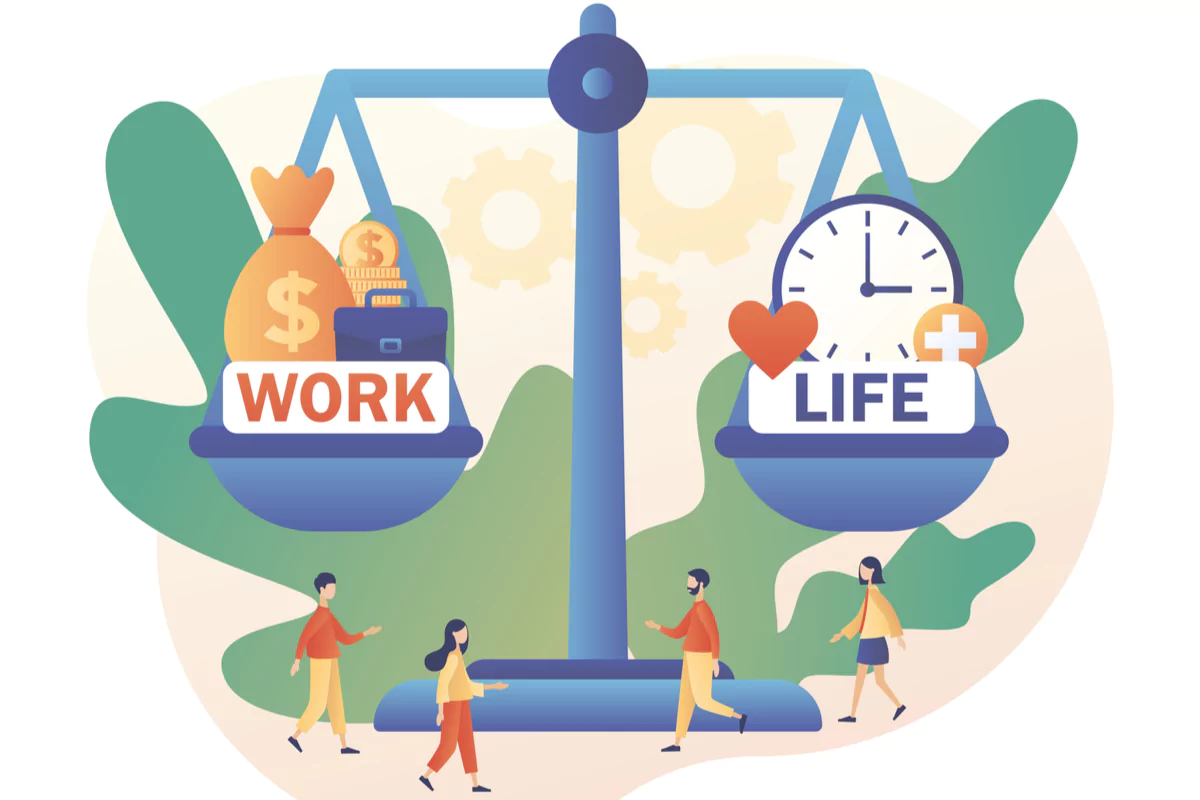
How to Balance Work-Life?
In today’s fast-paced world, finding a balance between work and personal life has become increasingly challenging. Many individuals find themselves overwhelmed and stressed, struggling to juggle the demands of their careers with their personal responsibilities and goals. However, achieving a healthy work-life balance is essential for overall well-being and satisfaction. In this article, we will explore some effective strategies and tips to help you achieve a better balance between your work and personal life.
The Importance of Work-Life Balance
Before we delve into the strategies to achieve work-life balance, let’s first understand why it is so important. Maintaining a healthy work-life balance allows you to have time and energy for both your professional and personal pursuits, leading to increased productivity, better health, and improved relationships. When you give adequate attention to all areas of your life, you are less likely to experience burnout, stress, and dissatisfaction. It enables you to enjoy your work while still having time for hobbies, relaxation, and spending quality time with your loved ones.
Setting Boundaries and Prioritizing
One of the key steps to achieving work-life balance is setting boundaries and prioritizing your commitments. Start by identifying your priorities in both your personal and professional life. What are the activities or tasks that are most important to you? Once you have clarity on your priorities, it becomes easier to allocate your time and energy accordingly. Learn to say no to tasks or events that do not align with your priorities and may overwhelm you. Create a schedule or to-do list that gives equal importance to work and personal activities, ensuring that you have dedicated time for self-care, leisure, and spending time with family and friends.
It is also essential to set boundaries between work and personal life. In today’s digital age, it is easy to be constantly connected and accessible. However, this can lead to burnout and the blurring of boundaries between work and personal life. Set specific work hours and make a conscious effort to disconnect from work-related activities and distractions outside those hours. Communicate your boundaries to your colleagues, clients, and family members, making it clear when you are available and when you need your personal time. By setting boundaries and prioritizing, you can ensure that both your work and personal life receive the attention they deserve.
Time Management and Delegation
Effective time management is crucial when it comes to balancing work and personal life. Without proper time management, it is easy to get overwhelmed, feel stretched thin, and neglect important areas of your life. Start by analyzing how you currently spend your time. Are there any time-wasting activities or tasks that can be eliminated or streamlined? Identify your peak productivity hours and schedule your most important and demanding work during that time. Use tools and techniques such as time blocking, Pomodoro Technique, or task prioritization to optimize your productivity and make the most of your time.
In addition to time management, learning to delegate tasks is essential for achieving work-life balance. Many individuals have a tendency to take on too much and feel the need to handle everything themselves. However, this can lead to excessive stress and overwhelm. Identify tasks that can be delegated to a colleague, employee, or outsourcing services. Delegate tasks that do not require your specific expertise and focus on the activities that align with your strengths and priorities. Delegating not only reduces your workload but also provides opportunities for others to grow and develop their skills.
Work-Life Integration and Flexibility
While achieving a strict balance between work and personal life may not always be possible, work-life integration and flexibility can offer a practical solution. Instead of viewing work and personal life as separate entities that need equal time and attention, aim for integration and harmony. Find ways to incorporate personal activities or passions into your work and vice versa. Seek opportunities for flexible work arrangements such as working remotely, flexible hours, or compressed work weeks, allowing you to have more control over your schedule and accommodate personal commitments.
Another aspect of work-life integration is practicing self-care and prioritizing your well-being. Taking care of your physical, mental, and emotional health is crucial for overall happiness and balance. Make time for regular exercise, adequate sleep, relaxation, and activities that rejuvenate and recharge you. Practice mindfulness techniques such as meditation or journaling to reduce stress and improve focus. Remember, taking care of yourself is not selfish but essential for being able to give your best in your professional and personal life.
Tips for Maintaining Work-Life Balance
While the strategies discussed above can help you achieve work-life balance, here are some additional tips to support you on your journey:
- Set realistic expectations for yourself and avoid perfectionism.
- Create a daily routine that incorporates self-care activities.
- Learn to disconnect from technology and take digital detoxes regularly.
- Practice effective communication and assertiveness skills.
- Seek support from family, friends, or professional networks.
- Regularly review and reassess your priorities to ensure they still align with your values and goals.
- Celebrate your achievements and milestones, both big and small.
Work-Life Balance and Well-being
Achieving work-life balance is not a one-time accomplishment but an ongoing process that requires constant evaluation and adjustments. By prioritizing and setting boundaries, managing your time effectively, incorporating flexibility and self-care, and adopting a mindset of integration and harmony, you can create a fulfilling and balanced life where your work and personal goals coexist harmoniously. Remember, it is within your power to create a life that allows you to thrive professionally and personally.
Key Takeaways: How to Balance Work-Life?
- Set boundaries between work and personal life.
- Delegate tasks and ask for help when needed.
- Take regular breaks to recharge and rejuvenate.
- Prioritize tasks and manage time effectively.
- Make time for hobbies and activities outside of work.
Frequently Asked Questions
Welcome to our FAQ section on balancing work and life! We understand that finding a healthy balance between work demands and personal life can be challenging. Here are some commonly asked questions to help you navigate this juggling act.
Q: How can I effectively manage my time between work and personal life?
It’s all about prioritization and setting boundaries. Start by creating a schedule that allocates dedicated time for work tasks and personal activities. Align your priorities and focus on completing the most important tasks first. Don’t forget to communicate your boundaries to your colleagues and loved ones, so they understand when you’re available and when you need personal time.
Additionally, delegate responsibilities whenever possible and practice efficient time management techniques, such as implementing time-blocks and setting realistic deadlines. Remember, finding a balance is an ongoing process, so be flexible and willing to adapt your schedule when needed.
Q: How can I reduce work-related stress to maintain a healthier work-life balance?
First and foremost, it’s crucial to identify the factors that contribute to your work-related stress. This could be excessive workload, lack of control, or a toxic work environment. Once you’ve identified these stressors, take steps to address them.
Implement stress management techniques such as regular exercise, mindfulness activities, and time for hobbies or activities that bring you joy. Additionally, create boundaries between work and personal life by disconnecting from work emails and phone calls outside of designated work hours. Engaging in open communication with your supervisor or HR department can also help in finding solutions to reduce work-related stress and promote a healthier work-life balance.
Q: How can I make the most of my personal time while balancing work demands?
Prioritize self-care during your personal time by engaging in activities that help you relax and recharge. This could include spending quality time with loved ones, pursuing hobbies, practicing mindfulness or meditation, and maintaining a healthy lifestyle through exercise and proper nutrition.
Setting boundaries and compartmentalizing work and personal life is key. When you’re off-duty, disconnect from work and fully engage in the present moment. Avoid checking work emails or taking work-related calls during personal time. By prioritizing self-care and being fully present in your personal life, you can make the most of your time and achieve a better work-life balance.
Q: How can I involve my employer in supporting work-life balance?
Start by discussing your needs and concerns with your employer. Share your ideas on how the organization can create a work culture that promotes work-life balance, such as flexible working hours, remote work options, or employee wellness programs. Showcase the benefits of work-life balance, including increased productivity, reduced stress, and improved employee satisfaction.
It’s essential to highlight how work-life balance initiatives can positively impact the organization as a whole. If your employer is open to suggestions, collaborate on finding feasible solutions that benefit both parties. Ultimately, fostering open communication and advocating for work-life balance can encourage your employer to support and prioritize the well-being of their employees.
Q: Is it possible to achieve a perfect work-life balance?
While achieving a perfect work-life balance may be unrealistic, it is certainly possible to find a healthy and satisfying equilibrium. Remember that the definition of balance varies from person to person and may change throughout different life stages or circumstances.
Instead of striving for perfection, focus on finding a balance that works for you and aligns with your priorities. Continuously reassess your situation and make adjustments as needed. Embrace the idea that work-life balance is a journey, and it may require trial and error to discover what truly works for you. Celebrate small victories and be kind to yourself along the way, as finding that balance is a lifelong pursuit.
The RIGHT Way to Do Work-Life Balance | Simon Sinek
Summary
Finding a balance between work and personal life can be challenging, but it’s important for our overall well-being. Start by setting clear boundaries between work and personal time. Prioritize your tasks and learn to say no when necessary. Practice self-care regularly to recharge and avoid burnout. Communicate openly with your colleagues and family members about your needs and schedule. Remember, it’s okay to ask for help when needed. By making small changes and being mindful of your time, you can achieve a better work-life balance and live a happier, healthier life.
Final Thoughts
Finding balance is a continuous journey, but with effort and determination, it is possible to create harmony between work and personal life. Remember to always prioritize your well-being and make time for the things that bring you joy. Work hard when you need to, but don’t forget to take breaks, spend time with loved ones, and invest in self-care. Ultimately, finding balance is about finding what works best for you and making choices that align with your values and priorities.