
If you’re a new blogger looking for some helpful tips to kickstart your blogging journey, you’ve come to the right place! **Helpful Blogging Tips For New Bloggers** is all about providing you with the essential knowledge and tricks to succeed in the blogging world.
Blogging can be an exciting and rewarding experience, but it can also feel overwhelming at times. Don’t worry, I’ve got you covered! **Helpful Blogging Tips For New Bloggers** will equip you with the tools you need to navigate the world of blogging with confidence.
In this guide, we’ll dive into everything from choosing a niche, creating engaging content, and building a strong online presence. Whether you’re starting a personal blog, a niche-specific blog, or even a business blog, these tips will set you on the path to success. Let’s get started!
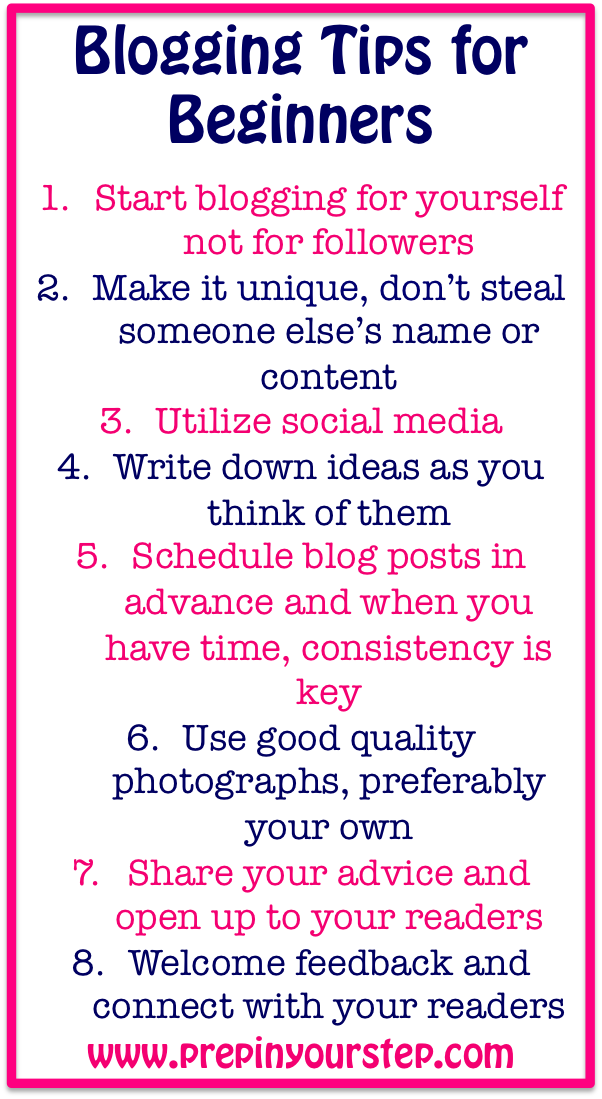
Helpful Blogging Tips For New Bloggers: A Comprehensive Guide
Welcome to this comprehensive guide on helpful blogging tips for new bloggers. Whether you’re starting your blogging journey or looking to improve your existing blog, these tips will provide you with valuable insights and strategies to create engaging content, build an audience, and monetize your blog. From choosing a niche to mastering SEO, this article covers all the essential aspects of successful blogging. So, let’s dive in and unlock the secrets to becoming a thriving blogger!
1. Find Your Niche and Define Your Target Audience
One of the first steps in starting a successful blog is to find your niche and define your target audience. By choosing a specific topic or theme for your blog, you can establish yourself as an authority in that area and attract a dedicated audience. Research popular blog niches and identify your interests, expertise, and the market demand. Once you’ve found your niche, define your target audience. Understand their needs, preferences, and pain points, and tailor your content to address their specific interests and provide value.
Your target audience is the foundation of your blog’s success. By creating content that resonates with them, you’ll not only attract readers but also build a strong and loyal community. Interact with your audience through comments, social media, and email newsletters to understand their needs better and adjust your content accordingly. Remember, the more you cater to your target audience, the more successful your blog will be.
Benefits:
- Establish yourself as an authority.
- Attract a dedicated audience.
- Build a strong and loyal community.
2. Master the Art of Engaging Content Creation
In the world of blogging, content is king. To capture and retain your readers’ attention, you need to create engaging and valuable content. Start by brainstorming ideas and topics that are relevant to your niche and align with your audience’s interests. Conduct thorough research and include credible sources to back up your claims. Structure your content with clear headings, subheadings, and bullet points to make it easy to skim and digest.
Another key aspect of content creation is to develop your unique voice and writing style. Inject personality into your writing and make it relatable to your audience. Use storytelling techniques, share personal anecdotes, and incorporate humor when appropriate. Remember to proofread and edit your content before publishing it to ensure it’s error-free and easy to read.
Tips:
- Brainstorm ideas and topics relevant to your niche.
- Conduct thorough research and include credible sources.
- Inject your personality and writing style into your content.
3. Optimize Your Blog for Search Engines
Search engine optimization (SEO) plays a crucial role in making your blog discoverable and driving organic traffic. Start by conducting keyword research to identify relevant keywords and include them strategically in your blog posts, headings, meta descriptions, and URLs. Use descriptive and keyword-rich alt tags for your images to improve their visibility in search results.
Additionally, focus on creating high-quality backlinks from authoritative websites to boost your blog’s credibility in the eyes of search engines. Collaborate with other bloggers, guest post on reputable sites, and engage in social media promotion to increase your backlink profile. Regularly monitor your blog’s SEO performance using tools like Google Analytics to identify areas for improvement and make data-driven decisions.
Tips:
- Conduct keyword research and strategically include relevant keywords.
- Create high-quality backlinks from authoritative websites.
- Monitor your blog’s SEO performance using analytics tools.
4. Build a Strong Social Media Presence
In today’s digital age, social media platforms provide opportunities to connect with a broader audience and promote your blog. Identify which social media platforms align with your target audience’s preferences and create compelling profiles. Share your blog posts, engage with your followers, and participate in relevant discussions to build a strong social media presence.
Use eye-catching visuals, such as high-quality images and infographics, to capture attention and encourage social media shares. Leverage hashtags to increase your post’s reach and engage with influencers and brands in your niche to expand your network. Remember to maintain consistency in posting and interact with your audience by responding to comments and messages promptly.
Tips:
- Create compelling profiles on relevant social media platforms.
- Share blog posts and engage with followers.
- Use visuals, hashtags, and collaborate with influencers and brands.
5. Monetize Your Blog and Earn Passive Income
Once your blog has gained traction and a dedicated audience, you can explore various avenues to monetize your content and earn passive income. Consider display advertising by joining ad networks like Google AdSense or Mediavine. These platforms allow you to display relevant ads on your blog, and you earn a portion of the revenue generated from clicks or impressions.
Another popular monetization method is affiliate marketing. Recommend products or services related to your niche and earn a commission for any purchases made through your unique referral link. You can also create and sell your digital products, such as e-books, online courses, or templates, leveraging your expertise.
Tips:
- Join ad networks and display relevant ads on your blog.
- Engage in affiliate marketing and earn commissions through referrals.
- Create and sell digital products leveraging your expertise.
6. Stay Consistent and Embrace Continuous Learning
Consistency is key when it comes to blogging. Set a regular posting schedule and stick to it. This helps maintain engagement with your audience and demonstrates your commitment. Additionally, embrace continuous learning and stay updated with industry trends and best practices. Attend blogging conferences, join online communities, and invest in courses or books that can enhance your skills and knowledge.
Experiment with new strategies, analyze your blog’s performance, and adapt accordingly. Consistently engage with your audience and seek feedback to understand their evolving needs and preferences. By staying consistent and continuously learning, you’ll position yourself for long-term success in the blogging world.
Tips:
- Set a regular posting schedule and stick to it.
- Stay updated with industry trends and best practices.
- Engage with your audience and seek feedback.
7. Network with Other Bloggers and Collaborate
Networking with other bloggers in your niche is invaluable for growth and exposure. Build relationships with fellow bloggers, both through online channels and in-person events. Engage in collaborations, such as co-authoring a blog post, hosting webinars, or cross-promoting each other’s content. By collaborating with other bloggers, you can tap into their audience and reach new readers who might be interested in your blog.
Participate in blogging communities, join forums, and contribute valuable insights. Establishing yourself as a helpful and knowledgeable member of the blogging community can lead to opportunities for guest posting, speaking engagements, and further expanding your network.
Tips:
- Build relationships with fellow bloggers through online and in-person interactions.
- Engage in collaborations and tap into each other’s audience.
- Participate in blogging communities and contribute valuable insights.
Additional Helpful Tips and Strategies:
1. Mastering SEO Techniques for Improved Blog Visibility
Search engine optimization (SEO) is a vital component of successful blogging. Beyond just keyword research and implementation, mastering SEO techniques can significantly improve your blog’s visibility. Research and implement on-page SEO best practices such as optimizing title tags, meta descriptions, and headers. Focus on creating high-quality, informative, and relevant content that naturally incorporates keywords. Optimize your website’s loading speed, employ responsive design, and ensure a mobile-friendly experience. Finally, build high-quality backlinks from authoritative websites to increase your blog’s domain authority.
2. Harnessing the Power of Visual Content
Visual content such as videos, infographics, and images can greatly enhance the user experience and make your blog more engaging. Incorporate multimedia elements into your blog posts to break up text, illustrate concepts, and provide additional value to your readers. Ensure that your visuals are high-quality, properly optimized for web use, and relevant to the topic at hand. Additionally, consider using platforms like YouTube and Pinterest to leverage the power of visual content and reach a wider audience.
3. Balancing Consistency with Quality
While consistency is essential for blogging success, it’s equally crucial to prioritize quality over quantity. Strive to maintain a regular posting schedule that aligns with your audience’s expectations, but don’t compromise on the quality of your content. Take the time to thoroughly research and craft each blog post, ensuring that it provides valuable insights and addresses your readers’ needs. Prioritize quality over quantity to establish yourself as an authority and gain the trust of your audience.
4. Engaging with Your Audience and Building Community
Building an engaged and loyal audience is a key goal for any blogger. Actively engage with your readers through comments, social media, and email newsletters. Respond to comments promptly, ask for feedback, and encourage discussions to foster a sense of community and connection. Interact with your audience on social media platforms through polls, Q&A sessions, and exclusive behind-the-scenes content. By building a strong relationship with your readers, you’ll create a dedicated community that will support and promote your blog.
5. Embracing Data Analytics to Drive Growth
Data analytics is a powerful tool that can provide valuable insights and drive growth for your blog. Utilize platforms like Google Analytics to track and analyze your blog’s performance, including traffic sources, popular content, and user behavior. Identify patterns and trends in your data to make data-driven decisions regarding content creation, marketing strategies, and audience engagement. Continuously monitor your analytics and adapt your approach based on the insights you gather.
6. Utilizing Email Marketing for Audience Engagement
Email marketing is an effective strategy for building a loyal audience and driving traffic to your blog. Collect email addresses through lead magnets, such as free e-books or exclusive content, and create a newsletter to keep your subscribers informed and engaged. Regularly send valuable content, updates, and exclusive offers to your subscribers to nurture the relationship and encourage return visits to your blog. Personalize your emails and segment your subscribers based on their interests and preferences for maximum impact.
7. Investing in Self-Development as a Blogger
As a blogger, investing in your self-development is crucial for your long-term success. Continuously educate yourself on industry trends, new technologies, and evolving best practices. Attend conferences, workshops, and webinars to expand your knowledge and network with fellow bloggers. Consider joining blogging communities and mastermind groups to collaborate, share insights, and receive support. With a growth mindset and a dedication to self-improvement, you’ll be equipped to navigate the ever-changing landscape of blogging.
In summary, these blogging tips will empower new bloggers to embark on a successful blogging journey. By finding your niche, creating engaging content, optimizing for search engines, building a strong social media presence, and exploring monetization strategies, you’ll be well on your way to becoming a thriving blogger. Remember to stay consistent, embrace continuous learning, network with other bloggers, and prioritize audience engagement. Apply these tips, adapt them to your unique circumstances, and watch your blog flourish!
Key Takeaways: Helpful Blogging Tips For New Bloggers
- Start with a niche that you are passionate about.
- Write high-quality content that provides value to your readers.
- Promote your blog on social media to reach a wider audience.
- Engage with your readers through comments and feedback.
- Stay consistent with your blogging schedule to build a loyal following.
Remember, following these tips will help you kick-start your blogging journey and attract more readers to your blog. Happy blogging!
Frequently Asked Questions
As a new blogger, you may have questions about the best practices and tips for successful blogging. Here are some common queries that new bloggers often have:
1. How often should I publish new blog posts?
Consistency is key when it comes to publishing new blog posts. While there is no one-size-fits-all answer, it’s important to find a publishing schedule that works for you and your audience. It’s better to post less frequently but consistently than to publish sporadically. This gives your readers a predictable schedule to follow.
Consider your available time and resources when deciding on a frequency. It’s better to maintain a regular schedule you can stick to rather than overwhelming yourself with too many posts. Ultimately, the quality of your content matters more than the quantity.
2. How can I attract more readers to my blog?
There are several strategies you can use to attract more readers to your blog. Firstly, focus on creating high-quality and engaging content that provides value to your target audience. This will make people more likely to share and recommend your blog to others. Additionally, promoting your blog on social media platforms can help bring in new readers.
Collaborating with other bloggers in your niche can also help expand your reach. By guest posting on each other’s blogs or participating in collaborative projects, you can tap into each other’s audiences. Finally, make sure your blog is optimized for search engines by using relevant keywords in your blog posts and optimizing your meta tags. This will help your blog rank higher in search engine results, leading to increased visibility.
3. How long should my blog posts be?
The length of your blog posts can vary depending on your target audience and the topic you’re covering. In general, it’s best to aim for a minimum of 500 words to provide enough substance and value to your readers. However, longer-form content (1500+ words) tends to perform better in terms of SEO and providing comprehensive information.
That being said, it’s important to focus on the quality of your content rather than its length. Make sure your blog posts are well-structured, informative, and engaging regardless of their word count. It’s better to have a shorter but impactful post than a long, rambling one that doesn’t hold your readers’ attention.
4. Should I monetize my blog?
Whether or not you should monetize your blog depends on your goals and priorities as a blogger. If your main objective is to make money from your blog, then exploring monetization options can be beneficial. Common methods of monetization include displaying ads, affiliate marketing, sponsored posts, and selling products or services.
However, it’s important to consider the potential impact on your readers’ experience. Ensure that any ads or sponsored content aligns with your blog’s niche and doesn’t compromise the quality or integrity of your content. If monetization is not your primary goal, you may choose to focus on building a loyal readership and providing value without relying on income generated from your blog.
5. How can I engage with my readers and build a community?
Engaging with your readers is crucial for building a loyal community around your blog. One of the simplest ways to encourage interaction is by responding to comments on your blog posts. Take the time to reply to each comment individually and foster meaningful discussions.
In addition to comments, you can also engage with your readers through social media platforms. Prompt them to share their thoughts, opinions, and experiences related to your blog posts. Host Q&A sessions or live chats to directly interact with your audience and address their specific queries.
Furthermore, consider creating a newsletter to keep your readers updated on new content and exclusive offers. Sending personalized emails and providing additional value through your newsletters can help strengthen the connection between you and your readers.
5 TIPS FOR NEW BLOGGERS: What you need to do your first month blogging | THECONTENTBUG
Summary
Here’s a quick recap of the helpful blogging tips for new bloggers:
First, find your passion and write about what you love. Your enthusiasm will shine through your words. Second, consistency is key. Regularly posting new content keeps your readers engaged. Third, interact with your audience by responding to comments and asking for feedback. Fourth, promote your blog on social media platforms to reach a wider audience. Lastly, be patient and persistent. Building a successful blog takes time, so keep at it!
Remember, blogging is all about sharing your thoughts and connecting with others. So go out there, start your blog, and have fun expressing yourself!